
Most of us assume that when we feel stuck, the answer is to push harder. We look for more motivation. More discipline. A better plan. Another productivity system.
But what if the problem isn’t a lack of forward motion? What if something is quietly pushing back?
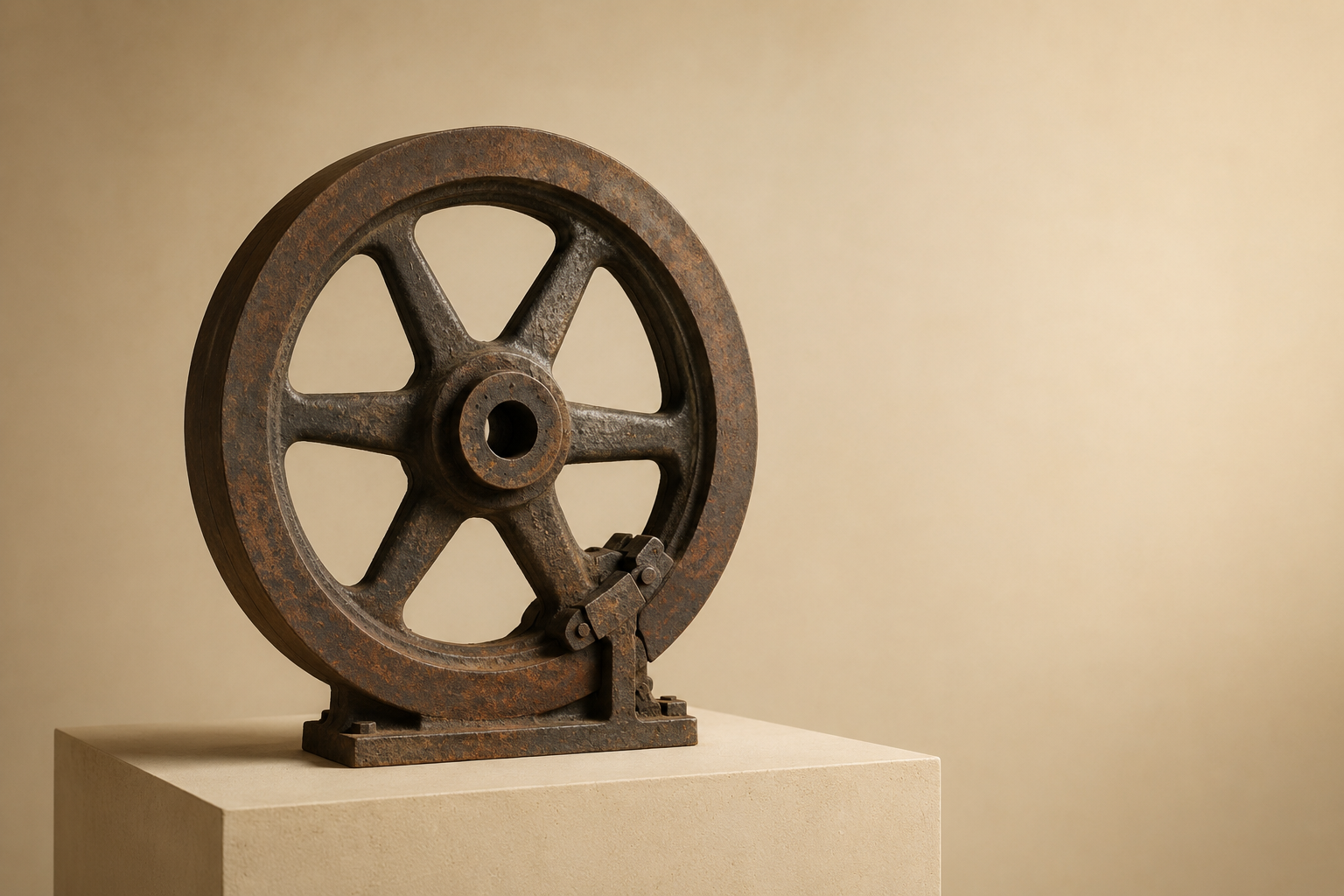
Imagine driving a car with the parking brake partially engaged. The engine still runs. The destination hasn’t changed. Pressing harder on the accelerator only creates more strain because an unseen force is working against you.
The same thing happens in our lives. One of the most common forms of hidden friction is fear. Not the kind that protects us from real danger, but the quieter fear that whispers before we try something new:
“What if I fail?”
“What if I’m not good enough?”
“What if everyone sees I don’t belong here?”
Those thoughts rarely stop us all at once. Instead, they slow us down one decision at a time until hesitation begins to feel normal.
Before we can move forward with confidence, we first have to identify what has been holding us back.
Understanding Fear of Failure
Fear itself isn’t the enemy. In fact, fear is one of the brain’s oldest survival mechanisms. It evolved to protect us from genuine threats. Without it, our ancestors would have taken unnecessary risks and paid the price.
The challenge is that our brains don’t always distinguish between physical danger and emotional discomfort.
A difficult conversation.
Starting a business.
Speaking in front of an audience.
Changing careers.
Sharing a creative idea.
To the brain, these moments can feel just as threatening as physical danger because they carry the possibility of rejection, embarrassment, or loss. Psychologists refer to this as the fear of failure, but the name can be misleading. Most people aren’t actually afraid of failure itself.
They’re afraid of what failure might mean. They fear losing respect, appearing incompetent, disappointing others, or confirming a belief they’ve quietly carried for years:
“Maybe I’m just not enough.”
Understanding that distinction changes everything. The real obstacle isn’t failure. It’s the story we’ve attached to it.
How Fear Creates Friction
Fear rarely announces itself. Instead, it disguises itself as perfectly reasonable behavior.
You postpone launching the project until you’ve done “just a little more research.”
You decline an opportunity because the timing doesn’t feel quite right.
You remain silent during the meeting because someone else will probably say it better.
From the outside, these decisions seem practical. From the inside, they often have the same hidden source.
Fear.
Over time, these small moments accumulate. The presentation never gets delivered. The business never gets started. The conversation never happens. The dream quietly becomes “something I’ll do someday.”
This is how friction works—rarely through dramatic events. Usually through tiny acts of hesitation repeated over months or years.
Where Does Fear Come From?
Our fears don’t appear overnight. Most are built gradually through experience. Perhaps you were criticized whenever you made a mistake. Perhaps success always seemed tied to approval. Perhaps you learned that being wrong was something to avoid rather than something to learn from.
Experiences like these shape the beliefs we carry into adulthood. Without realizing it, we begin protecting ourselves from situations that might trigger those old feelings again.
Perfectionism often grows from the same soil. If your worth becomes connected to flawless performance, every mistake feels larger than it really is. Eventually, avoiding failure begins to feel safer than pursuing growth.
The Influence of the World Around Us
Our culture doesn’t make this any easier. We celebrate achievement but rarely witness the uncertainty that comes before it.
Social media gives us carefully edited snapshots of success while hiding the countless failed attempts, revisions, and setbacks that made success possible. We compare our behind-the-scenes struggles to someone else’s highlight reel. No wonder so many people conclude they’re falling behind.
The truth is that every meaningful accomplishment includes mistakes that most people never see. Failure isn’t the exception. It’s part of the process.
Identifying Your Own Friction
The first step toward freedom is awareness. Instead of asking, “Why can’t I move forward?”
Try asking, “What am I afraid might happen if I do?”
That simple shift often reveals far more than another motivational quote ever could.
Take a few minutes to reflect on situations you’ve been avoiding. What opportunities have you postponed? What conversations have you delayed? What goal continues to live on your “someday” list?
Now ask yourself another question. If failure carried no embarrassment… Would you still hesitate?
The answer may point directly toward the friction you’ve been carrying.
A Simple Reflection Exercise
Over the next week, keep a small journal or note on your phone. Whenever you notice yourself hesitating, write down:
- What was I about to do?
- What story was I telling myself?
- What outcome was I trying to avoid?
Don’t judge your answers. Simply observe them. Patterns will begin to emerge. And once you can see the pattern, you can begin changing it.
A Different Way to Think About Failure
One of the greatest misconceptions about personal growth is that confident people don’t experience fear.
They do.
The difference is that they no longer interpret fear as a stop sign. They see it as information. Fear often points toward something meaningful. Something uncertain. Something worth paying attention to.
Instead of asking, “How do I stop being afraid?”
Ask, “What is this fear trying to protect me from?”
Then ask a second question. “Is that protection still serving me?”
Sometimes the answer is yes. More often than we expect, the answer is no.
Moving from Friction to Freedom
Fear doesn’t disappear overnight. But it loses its power the moment we stop treating it as an unquestionable authority.
Every time you identify a limiting belief, challenge an old assumption, or take one small step despite uncertainty, you remove a little more friction from your life. Momentum isn’t created in a single dramatic breakthrough. It’s built one courageous decision at a time.
You don’t have to become fearless. You simply have to become curious enough to examine what’s been quietly holding you back. Because freedom doesn’t begin when fear disappears. It begins when fear no longer gets the final word.